Not Every Cat Is a Lap Cat (And Why That's Okay)
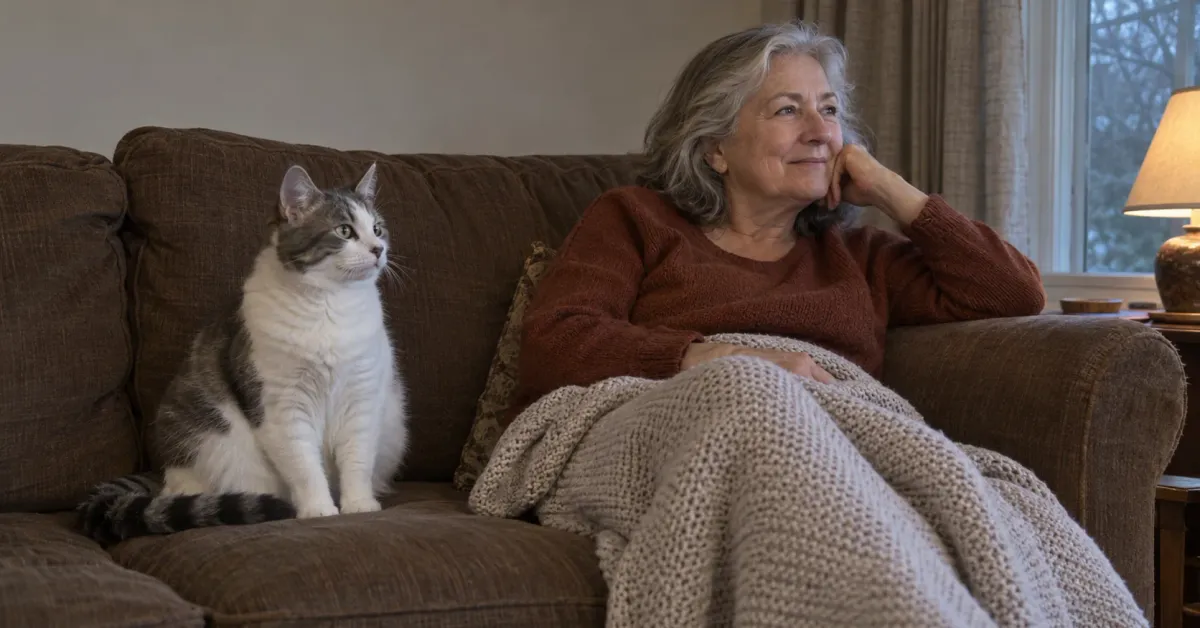
When Jeopardy comes on in the evening, my mom calls for Cleo.
Most nights she comes. She hops up onto the couch, settles on the cushion beside my parents, and stays for the show, close enough to touch. Nobody does, though. Everyone in that house knows better.
My mom has had cats for most of her life, and every one of them liked being petted. Cleo was the first who didn’t. Even as a kitten she squirmed and nipped if she was held too long. She grew into a cat who will sit in a lap for five or ten minutes, on the strict condition that no one touches her. If someone forgets and strokes her, she’s gone within a minute.
If you share your home with a cat like Cleo, or you’re worried you might, this one is for you. A cat who doesn’t want to be held can still be very attached to you. She just shows it in other ways.
Why Some Cats Aren’t Lap Cats
Whether a cat enjoys being held comes down mostly to her own temperament. Some cats want to be on you at every opportunity. Others like your company from a short distance, and would rather sit beside you than in your lap. Neither one is more loving than the other.
It isn’t something you did, and it doesn’t mean she’s unhappy in your home. Plenty of well-loved, well-cared-for cats simply prefer to keep their own space.
Experience doesn’t guarantee a lap cat either. My mom had raised many cats before Cleo, and she still couldn’t have predicted how this one would turn out. With a kitten, there’s no way to know. That’s one reason I suggest meeting adult cats at a shelter, where their personalities are already settled. There’s more on that in why a rescue cat might be the better choice.
The Quiet Ways She Shows She’s Attached
Once my mom stopped looking for affection in her lap, she found it all over the house.
She comes when you call. Every evening, Jeopardy comes on, my parents call her name, and Cleo climbs onto the couch to join them. An indifferent cat wouldn’t bother.
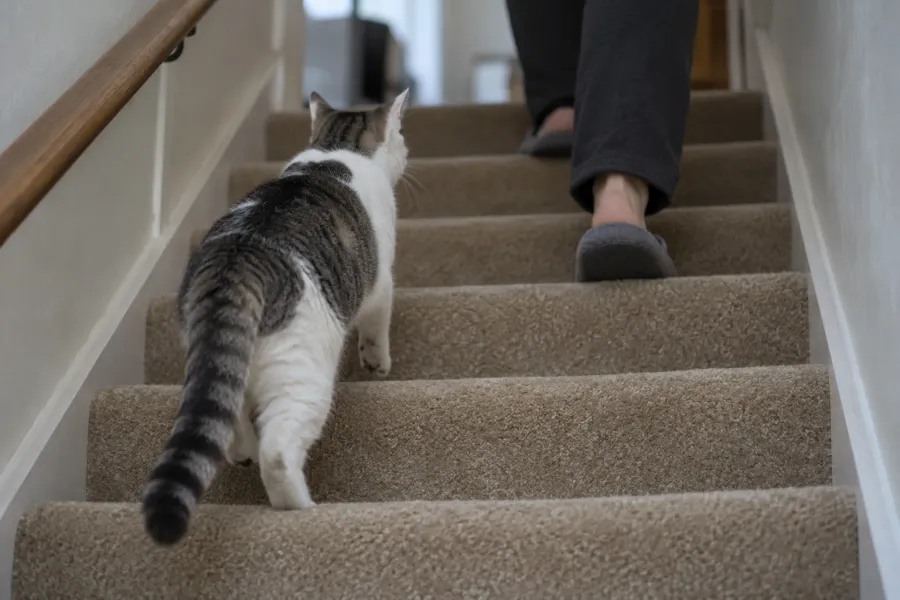
She follows you from room to room. Cleo tends to be wherever my mom is. In the afternoon, when Mom tells her it’s nap time, Cleo follows her up the stairs.
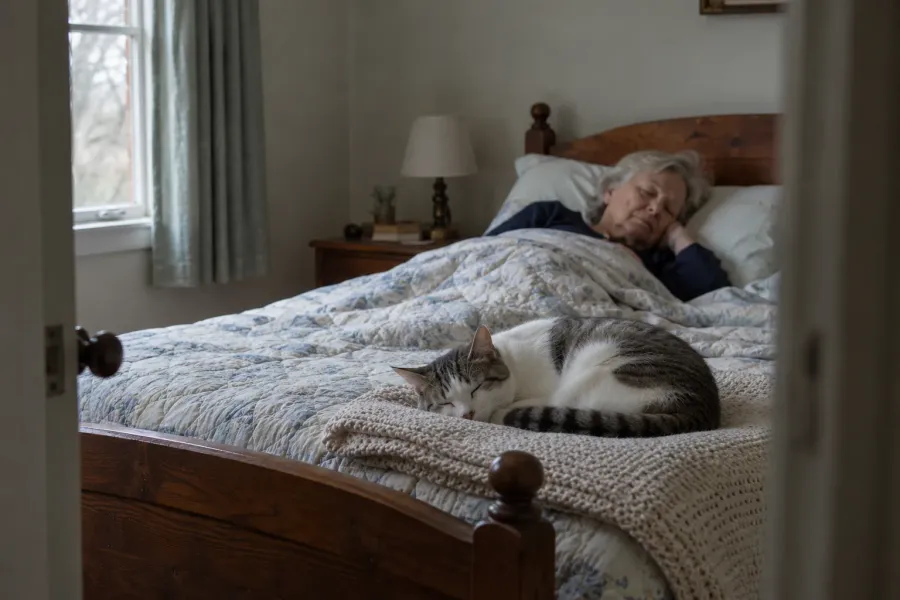
She stays near you, not on you. The cushion next to my parents on the couch. The foot of the bed. Many independent cats choose a spot within arm’s reach rather than on top of you. Being close is the point.
She talks to you. Cleo is a chatty cat. She answers with meows and little chirps when my parents talk to her, and she greets them with a meow when they come in. Many cat owners find that a cat who talks back is a cat paying close attention to them.
She purrs in your company. Settled on the bed beside my parents, Cleo purrs. She isn’t being petted. She’s simply content to be there with them.
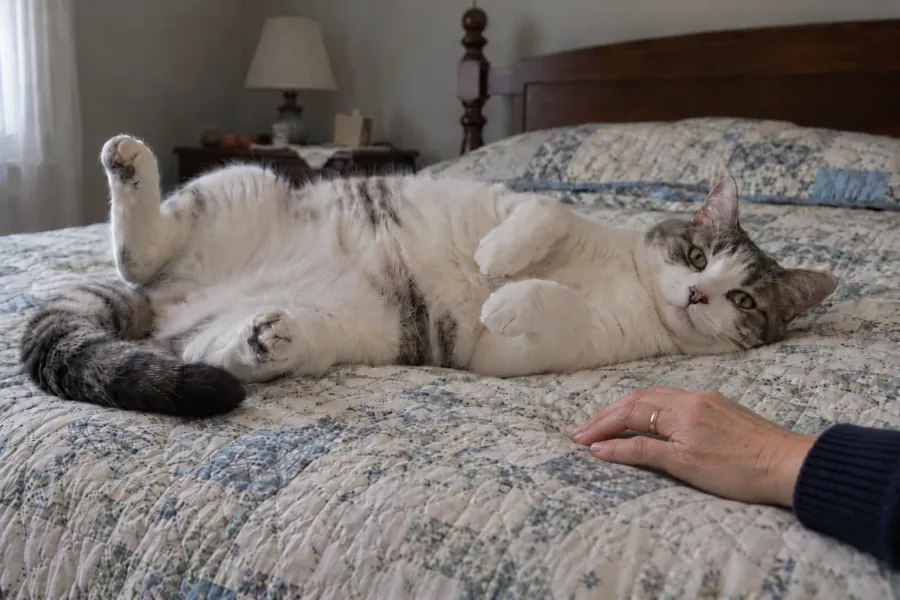
She rolls onto her back. Showing her belly is a sign she feels safe around you. It is not, as Cleo would like everyone to understand, an invitation. Reach for that belly and you’ll get a quick slap, claws in. Consider it fair warning.
You may also notice her looking at you across the room and slowly closing her eyes. Many cat owners think of that slow blink as a quiet hello, and it’s worth trying one back.
Meeting Her Where She Is
Living happily with an independent cat is mostly a matter of letting her set the terms. A few things that help:
Let her choose the distance. A folded blanket on the couch cushion next to yours gives her a spot of her own, right beside you. Many independent cats will take that seat far more readily than your lap.
Keep touch brief. If she does want contact, one or two strokes on her head or cheek may be plenty. Cleo will put up with about a minute before she’s had enough. Stopping before she does makes the next time more likely.
Talk back. If your cat is a chatterer, conversation is one of her ways of connecting. Answer her. You may find she has a lot to say.
Keep the routines she chooses. Cleo picked Jeopardy and the afternoon nap herself. Small rituals like these are where an independent cat’s affection lives, and they’re worth protecting. I’ve written more about this in building a daily routine with your cat.
Pick her up only when you need to. Vet visits and carriers are part of life. The rest of the time, there’s no need to hold a cat who’d rather not be held.
What My Mom Learned
My mom never took Cleo’s independence personally. After a lifetime of cats who loved to be held, it was a real adjustment, and for a while it was a challenge. But she never doubted that Cleo cared about them. Cleo purred on the bed beside them. She greeted them at the door. She came when they called.
My dad gets the same treatment, with one addition. If breakfast is running late, Cleo nips at him in the morning until he gets up.
Mom likes to joke that Cleo can’t stand either of them unless she wants something. She usually says it with Cleo sitting right beside her on the couch.
If You Haven’t Adopted Yet
If a lap cat matters a great deal to you, you can improve your odds. Spend time with adult cats at a shelter, sit quietly, and notice which ones climb onto you without being asked. Shelter staff can usually tell you which cats love being held. Our guide to your cat’s first week home covers what to expect once she arrives.
And if you meet a cat who sits beside you instead, give her a chance. She may turn out to be wonderful company.
Close, but Not Too Close
Most afternoons, my mom tells Cleo it’s nap time and heads for the stairs. Cleo follows a few steps behind, jumps onto the bed, and settles at the foot of it: close enough to keep an eye on her, and just out of reach.
Here’s to the cat you have, and to wherever she chooses to sit.