How to Choose the Right Cat Breed for Retirement Living
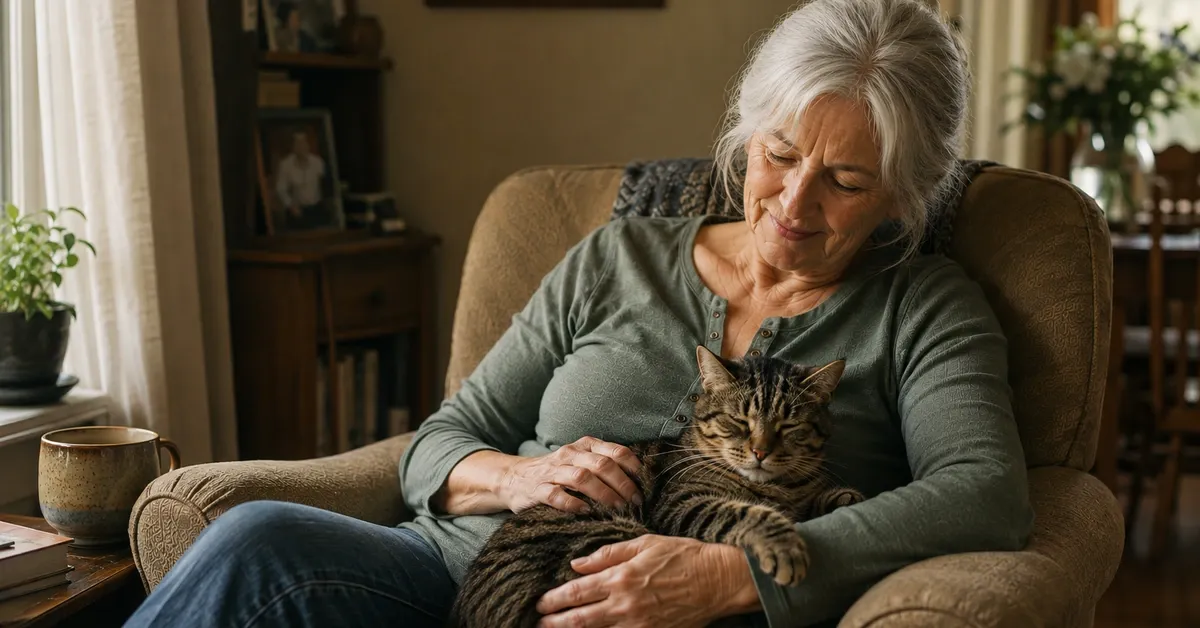
As retirement brings new rhythms to your days, you might find yourself thinking seriously about getting a cat. The idea of a purring friend nearby for your morning coffee, or a warm presence settled beside you in the evening, feels right for this stage of life.
But once you start exploring breeds, the choices can feel overwhelming. Which cat would actually suit the life you’ve built?
How do you find the one who’ll become a real companion rather than just a pet?
You’re already showing good instincts by thinking this through carefully. Let’s explore together how to find the right match for your retirement life.
Why This Chapter of Life Is Perfect for Cat Companionship
Your retirement years offer something your working days couldn’t: the time to develop a real, unhurried relationship with a cat.
During your career years, pets often had to fit around busy schedules and long workdays. Now you have the gift of unhurried mornings, peaceful afternoons, and the ability to truly observe and appreciate your cat’s unique personality.
Many retired cat owners discover they develop deeper bonds with their pets than they ever imagined possible.
Think about what that could look like…
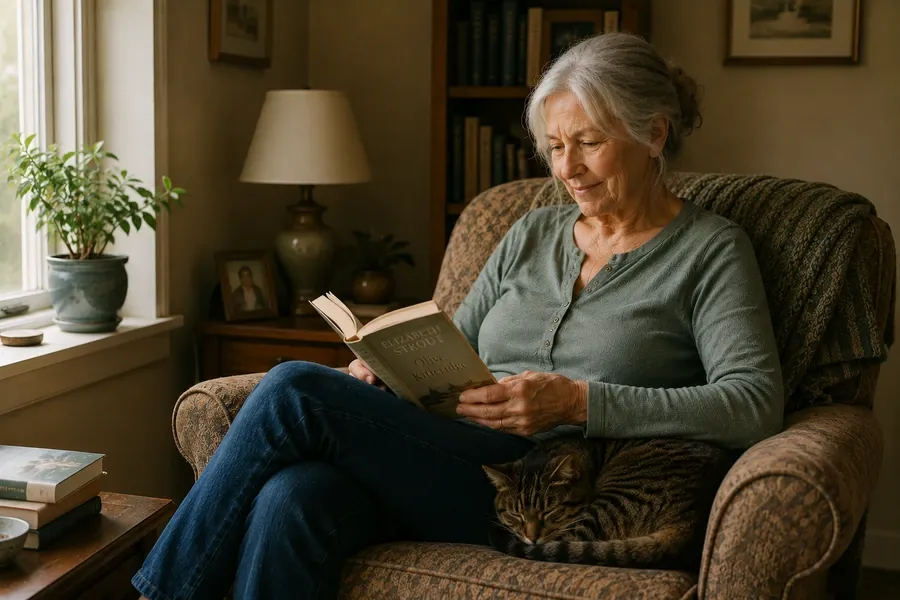
That first cup of coffee with a purring cat nearby. Afternoon reading sessions with a warm, furry presence. Simply enjoying the contentment of sharing your space with a creature who has chosen you right back.
And here’s something worth remembering: your life experience gives you real advantages here.
You know how to choose thoughtfully. You have the patience to let relationships develop naturally. You understand that the best bonds aren’t rushed, and you have the perspective to appreciate the quiet moments that younger, busier pet owners sometimes rush past.
Understanding Your Retirement Lifestyle
As you consider which breed might be your best match, it’s helpful to think honestly about the rhythm you’ve created in retirement. There’s no right way to retire, only what feels authentic and fulfilling to you.
The Social, Active Retiree
Maybe you’ve embraced retirement as a time for new adventures. Your calendar might include volunteer work, social gatherings, travel plans, or regular visitors.
You’d love a cat who’s comfortable with your active lifestyle, one who enjoys meeting new people and won’t be stressed by the gentle bustle of an engaged life.
The Home-Centered, Peaceful Retiree
Or perhaps you’ve discovered that retirement’s greatest gift is the permission to slow down and savor simple pleasures.
You enjoy quiet mornings, peaceful hobbies, and the luxury of an unhurried day. You’d be drawn to a cat who appreciates routine and finds joy in calm, predictable days spent together.
The First-Time Cat Parent in Retirement
Then there are those of you who always meant to have a cat but never quite had the time. Now feels right, and you want a forgiving, gentle breed that will help you find your footing.
Does one of these sound like you? Or maybe you’re a combination of all three, depending on the season or your mood. That’s perfectly normal, and there are wonderful cat breeds that can adapt to your changing rhythms.
Breed Matches for Different Retirement Styles
For the Social, Engaging Retiree
Maine Coon: The Gentle Giant
These cats often surprise people with their sociable, almost dog-like personalities. Maine Coons typically enjoy being part of household activities and are usually comfortable when you have guests over.
Despite their impressive size (males can reach 15 to 20 pounds), they’re generally gentle souls with wonderfully even temperaments. Their long coats are surprisingly manageable with regular brushing, and many owners find the grooming routine becomes a cherished bonding time.
Ragdoll: The Lap Cat
True to their name, Ragdolls often go completely limp when you pick them up, melting into your arms like the most trusting of companions.
They tend to follow their favorite humans around the house and are typically wonderful with visitors. Many retired Ragdoll owners say their cats seem to know when quiet companionship is needed versus when it’s time for gentle play.
American Shorthair: The Adaptable All-Around Companion
Often overlooked because they seem wonderfully ordinary, American Shorthairs have that nice balance of being affectionate without being demanding.
They’re equally content being the center of attention during your book club meeting or quietly observing from their favorite perch. Their generally robust health and easygoing nature make them a solid choice for retirees who want a loving companion without extensive special care requirements.
For the Quiet, Contemplative Retiree
British Shorthair: Dignified Companionship
British Shorthairs are affectionate without being clingy, present without being demanding. Their plush coats require minimal grooming, and they’re perfectly content with predictable, gentle routines. Many owners describe the comfort of having their British Shorthair nearby during quiet activities, a reassuring presence that asks only to share your peaceful moments.
Russian Blue: The Devoted One-Person Cat
If you’re drawn to the idea of developing a deep, exclusive bond with your cat, Russian Blues often form incredibly devoted relationships with their primary person. While they may be reserved with visitors, their loyalty and gentle affection toward their chosen human is something special. Their silver-blue coats require virtually no special care, and their quiet nature suits a peaceful home beautifully.
Birman: A Calm Presence
With their striking blue eyes and gentle, even temperaments, Birmans are content with indoor life, moderate in their activity level, and have that rare quality of being present without being demanding. Their silky coats have no dense undercoat, so a weekly brushing keeps them looking lovely. Many owners find their Birman is a natural companion for quiet hobbies, calm and content to simply be nearby.
For the First-Time Cat Parent in Retirement
Domestic Shorthair (Mixed Breed): Individual Personalities Worth Discovering
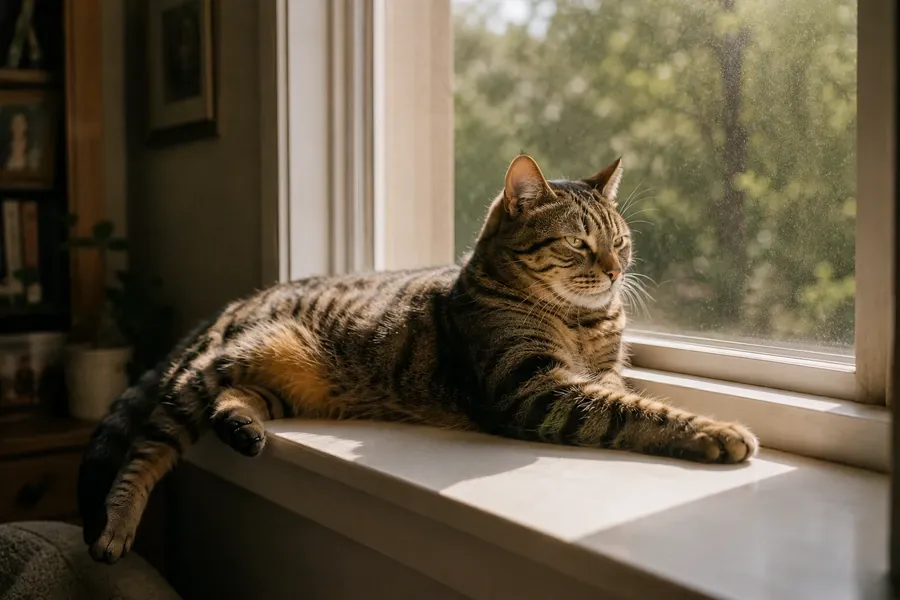
Here’s something many people don’t realize: mixed breed cats from shelters often make the most rewarding companions for first-time cat parents. Each one has a unique personality you can observe before making your decision. They’re typically healthier than many purebreds, often cost less initially and in ongoing care, and many shelters allow you to spend time with adult cats whose temperaments are already established. No guessing whether that kitten will grow up to be calm or energetic. You can meet your potential companion and know exactly what kind of personality you’re welcoming home.
American Shorthair: Patient and Adaptable
These cats are typically patient with the small mistakes all new cat owners make, adaptable to different household routines, and have that good balance of being social without being overwhelming. They’re typically sturdy, healthy cats with straightforward care needs, which leaves you free to focus on enjoying your new relationship rather than worrying about complicated routines.
For Apartment or Smaller Space Living
Persian: Elegant Calm (for those who enjoy grooming)
Persians are well suited to indoor living. They’re content with smaller spaces, generally quiet, and have a serene temperament that many retirees find genuinely appealing. The main consideration is their daily grooming needs. If you find the idea of a daily brushing routine appealing, and many owners describe it as meditative, a Persian could be a wonderful fit. If daily grooming feels like too much, professional grooming every six to eight weeks is a reasonable alternative to factor into your budget.
Exotic Shorthair: Persian Personality, Easier Care
Think of Exotic Shorthairs as Persians with much more manageable coats. They have the same calm, sweet temperament but without the daily grooming commitment. They’re quiet cats who adapt well to apartment living and are content with a slower pace of life.
Breeds That May Be More Challenging
While every cat is an individual, some breeds typically require more intensive care or have energy levels that might feel overwhelming in a peaceful retirement setting.
Bengal cats are absolutely stunning, but they need extensive daily play and mental stimulation. Unless you’re prepared for a very active, demanding companion, you might find a Bengal exhausting rather than relaxing.
Siamese cats are incredibly intelligent and devoted, but they’re also famously vocal. If you live in an apartment or prefer quiet environments, the constant conversation might become a lot to manage.
On the maintenance side, any breed requiring daily grooming might become challenging if your dexterity changes over time. Similarly, breeds prone to specific health issues could mean higher veterinary costs that may strain a fixed income.
The Case for Adopting a Senior Cat
One option deserves more attention than it gets, and it might be the right fit for your situation: adopting a senior cat, typically seven years or older. (We make the fuller case for adult rescue cats in Why a Rescue Cat Might Be the Perfect Choice.)
These cats are often overlooked at shelters, but they have a lot going for them.
Their personalities are already fully formed, so what you see is what you get. No wondering whether that kitten will grow up to be a lap cat or a solo explorer. Senior cats have settled into their ways, and you can spend time with them and know what kind of companion they’ll be.
Their energy is calmer too, past the kitten phase and settled into a pace that tends to suit retirement life well.
Finding Your Match
A Few Questions Worth Sitting With
- What does a typical day look like for you now, and how would you love a cat to fit into it?
- Do you enjoy the idea of daily grooming as bonding time, or would you prefer minimal maintenance?
- How important is it that your cat is comfortable with visitors?
- Would you prefer a cat who seeks out lap time, or one who’s happy being nearby without always being on you?
- What feels realistic for your budget in terms of ongoing care?
Trust Your Instincts
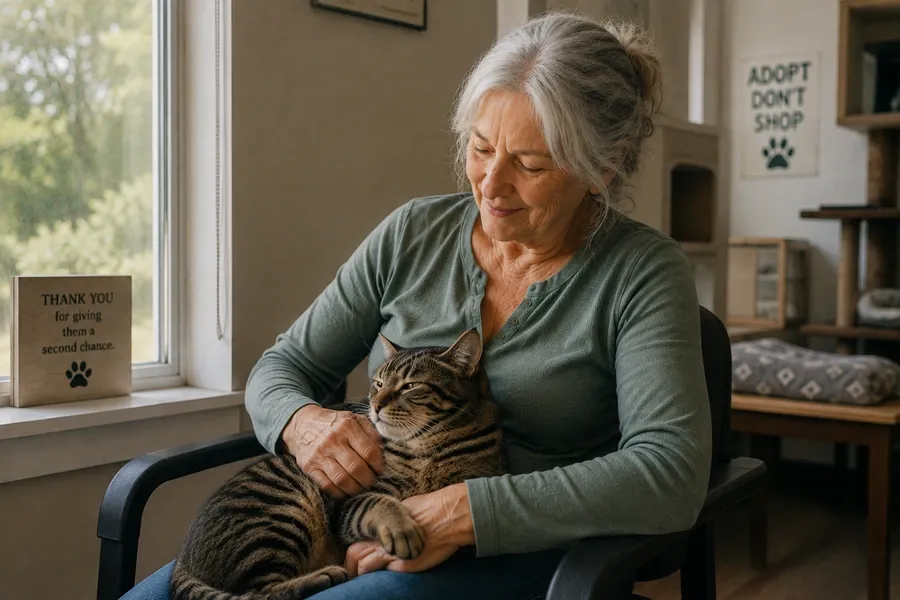
When you meet potential feline companions, whether that’s at a local shelter, through a reputable breeder, or via a rescue organization, pay attention to what you feel in the room. You’ll likely know when you’ve found your cat.
A Few Things to Watch Out For
- Choosing based solely on appearance. That gorgeous Persian might not match your actual lifestyle.
- Making impulsive decisions. This is a relationship worth thinking through.
- Ignoring your honest assessment of what you can comfortably manage day to day.
- Not considering how your living situation will affect your cat’s happiness as well as your own.
Preparing Your Home
Once you’ve found your cat, take time to prepare properly. Gather the basics: a comfortable litter box, a cozy bed, food and water bowls, and a scratching post.
Research local veterinarians and schedule a new patient appointment for peace of mind. Think through who might help with cat care if you need it, and do a simple walk-through of your space to secure any potential hazards.
Then give both of you time to adjust. Some cats settle in within days. Others take several weeks to show their true personalities. That gradual getting-to-know-you period is actually one of the best parts, watching them slowly relax and reveal who they really are.
The Right Choice Is the One That Feels Right
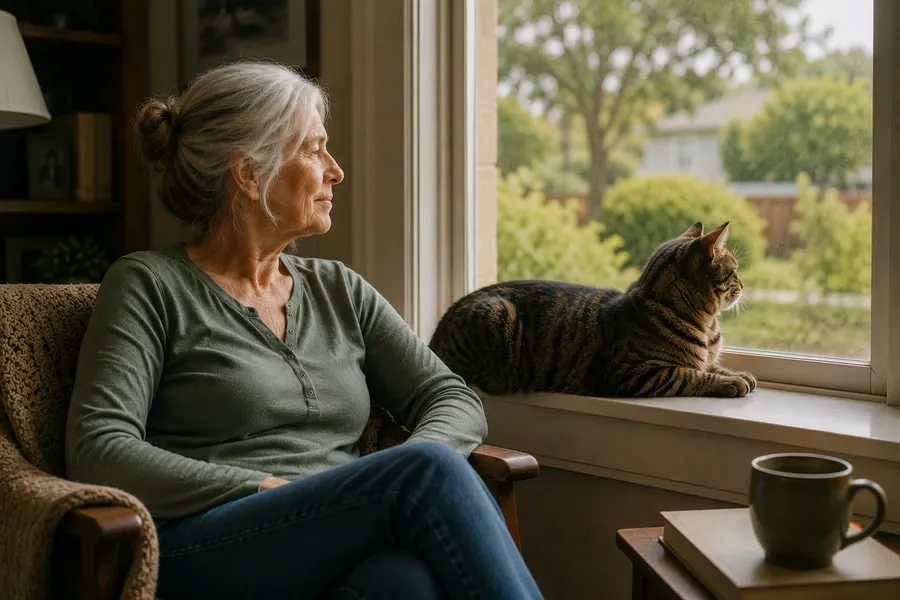
The best breed for your retirement is the one you can picture sharing your days with. Whether that’s a mixed breed from your local shelter or a specific purebred whose temperament suits your life, the most important thing is that the choice feels right.
Many retired cat owners tell us their cats have become more than pets. There’s a reason you notice when she’s not quite herself. There’s a reason the house feels different when she’s at the vet. The right cat simply becomes part of the rhythm of your days.
Your thoughtful approach to this decision says something good about the kind of home your future cat is walking into.
Here’s to finding each other.